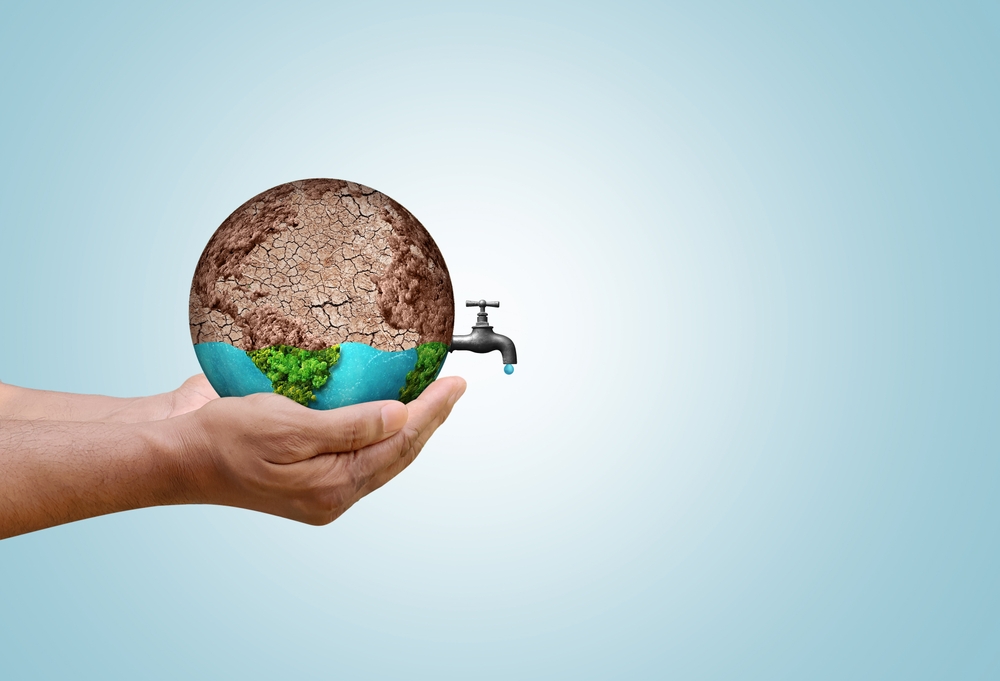

Water is the foundation of life and a cornerstone of human and ecological well-being. As global populations grow and economies expand, the demand for freshwater continues to rise, while the quality and availability of this precious resource are under increasing threat. Water Security and Sustainable Resource Management have emerged as central concepts in addressing these challenges. Water security refers to the reliable availability of an acceptable quantity and quality of water for health, livelihoods, ecosystems, and production, coupled with an acceptable level of water-related risks. Sustainable resource management, meanwhile, focuses on using water resources efficiently, equitably, and in ways that preserve the environment for future generations.
Ensuring water security is not only about meeting current demands, it is also about ensuring that future generations inherit functioning hydrological systems. This dual focus makes water management a critical pillar of sustainable development, influencing agriculture, energy, health, and biodiversity conservation.
Global Challenges in Water Availability and Distribution
Despite being a renewable resource, water is not evenly distributed across the planet. Some regions experience abundant rainfall, while others suffer chronic scarcity. This uneven distribution creates profound social, economic, and environmental inequalities. According to global water assessments, more than two billion people currently live in countries experiencing high water stress.
Several factors contribute to this imbalance. Rapid urbanization has increased the strain on freshwater supplies, as cities require vast quantities of water for domestic, industrial, and energy purposes. Agricultural irrigation, which consumes approximately 70% of global freshwater withdrawals, exacerbates scarcity in arid regions. Pollution from untreated wastewater, agricultural runoff, and industrial discharges further reduces the availability of clean water.
Addressing these global challenges demands innovative policies and sustainable practices. Effective Water Security and Sustainable Resource Management strategies must consider not only the physical scarcity of water but also issues of accessibility, affordability, and equity. Investments in infrastructure, data systems, and education are essential to bridge the gap between water-rich and water-poor regions and to promote global sustainable development goals.
The Impact of Climate Change on Water Resources
Climate change is profoundly altering the hydrological cycle, intensifying droughts, floods, and extreme weather events. Rising temperatures accelerate evaporation, while shifting precipitation patterns affect river flows, groundwater recharge, and the timing of seasonal water availability. Glacial melt in mountain regions threatens the long-term water supply of millions of people downstream.
These changes have cascading effects on food security, energy production, and ecosystem stability. For instance, drought conditions reduce agricultural productivity, while floods damage infrastructure and displace communities. Coastal regions face additional risks as rising sea levels increase saltwater intrusion into freshwater aquifers.
To enhance resilience, Water Security and Sustainable Resource Management must incorporate adaptive strategies. These include diversifying water sources, protecting watersheds, and integrating climate projections into planning frameworks. Building climate-resilient water systems supports the broader objectives of sustainable development, ensuring that societies can withstand and adapt to changing environmental conditions.
Integrated Water Resource Management (IWRM): A Holistic Approach
Integrated Water Resource Management (IWRM) is a framework that promotes coordinated development and management of water, land, and related resources to maximize economic and social welfare without compromising environmental sustainability. It recognizes that water systems are interconnected and that decisions in one sector, such as agriculture or energy, can have significant impacts on others.
IWRM involves balancing competing water needs through stakeholder participation, evidence-based policy design, and the integration of ecological principles. For example, water allocation decisions should account for both agricultural productivity and the maintenance of river ecosystems. Similarly, urban planning should incorporate stormwater management to reduce flood risks and enhance groundwater recharge.
Implementing IWRM strengthens Water Security and Sustainable Resource Management by ensuring that resources are used efficiently and equitably. It also aligns with the principles of sustainable development, which emphasize the need for long-term environmental stewardship, economic growth, and social inclusion.
Water Governance and Policy Frameworks for Sustainability
Effective water governance is fundamental to achieving sustainability. Governance encompasses the institutions, policies, laws, and administrative systems that determine how water resources are managed and shared. Transparent and participatory governance ensures that decisions reflect the needs of all stakeholders, including marginalized communities, industries, and environmental advocates.
A robust policy framework must establish clear legal rights to water, mechanisms for conflict resolution, and systems for monitoring and enforcement. It should also promote integrated planning across sectors, linking water management with energy, agriculture, and urban development.
Many countries are adopting reforms to improve water governance by decentralizing management responsibilities, strengthening community participation, and promoting public-private partnerships. These approaches enhance accountability and foster innovation in water services delivery. Strong governance supports Water Security and Sustainable Resource Management, creating a foundation for equitable access and environmental protection. In turn, this governance structure advances the goals of development by harmonizing economic progress with ecological balance.
Technological Innovations in Water Conservation and Reuse
Technological progress plays a pivotal role in transforming how societies use and manage water. Modern innovations enable efficient conservation, recycling, and treatment processes that reduce waste and extend the lifespan of existing water resources.
Smart water management systems use sensors, data analytics, and artificial intelligence to monitor leaks, forecast demand, and optimize distribution networks. In agriculture, precision irrigation technologies deliver water directly to plant roots, minimizing evaporation and runoff. Desalination technologies have become more energy-efficient, offering new sources of potable water for coastal regions.
Water reuse and recycling technologies, such as membrane filtration and advanced oxidation, allow wastewater to be safely reclaimed for agricultural, industrial, or even potable purposes. These solutions exemplify how Water Security and Sustainable Resource Management can be advanced through innovation. By embracing technological efficiency, societies can meet human and ecological needs while supporting the broader objectives of sustainable development.
Community-Based Water Management and Local Solutions
While national and global strategies are crucial, local communities often serve as the front line of water management. Community-based approaches empower people to take ownership of local water resources, ensuring that solutions are tailored to their specific environmental and cultural contexts.
Traditional knowledge and practices, when integrated with modern techniques, can enhance sustainability. For instance, rainwater harvesting, small-scale storage systems, and local watershed restoration projects have proven effective in managing scarcity in rural areas. Participatory governance, where communities engage in decision-making and monitoring, builds trust, accountability, and long-term stewardship.
These grassroots initiatives reinforce Water Security and Sustainable Resource Management by aligning resource use with local priorities and capacities. Moreover, community engagement contributes to development by reducing inequalities, strengthening resilience, and fostering social cohesion.
Economic Dimensions of Water Security and Resource Efficiency
Water has both intrinsic and economic value. The economic dimension of water security involves balancing the costs of supply, infrastructure, and treatment with the benefits derived from water use in agriculture, industry, and households. Inefficient use of water often results from underpricing or the absence of incentives for conservation.
Adopting economic instruments such as water pricing, tradable water rights, and payment for ecosystem services can promote efficient allocation and sustainable use. However, these tools must be designed carefully to ensure social equity and affordability. For instance, subsidies can support vulnerable populations while maintaining overall efficiency.
Investing in water infrastructure, such as storage reservoirs, pipelines, and wastewater treatment plants, stimulates economic growth while safeguarding long-term availability. A well-managed water economy strengthens Water Security and Sustainable Resource Management and supports the achievement of development by aligning economic prosperity with environmental preservation.
Transboundary Water Conflicts and Cooperative Management Strategies
Many of the world’s major rivers and aquifers cross national boundaries, serving multiple countries that depend on them for survival and growth. These shared water systems can become sources of tension, particularly when upstream and downstream users compete for limited resources. Examples include the Nile, Mekong, and Indus basins, where complex geopolitical interests intersect with hydrological realities.
To prevent conflict and promote cooperation, transboundary water governance must be guided by principles of equity, sustainability, and mutual benefit. Joint management institutions, data-sharing mechanisms, and treaty-based frameworks are essential for maintaining trust and ensuring fair allocation. International cooperation in monitoring, research, and infrastructure investment enhances regional stability and resource efficiency.
By fostering collaboration rather than competition, nations can strengthen Water Security and Sustainable Resource Management across borders. Such cooperation exemplifies the spirit of sustainable development, demonstrating how collective action can transform potential conflicts into opportunities for shared progress.
Future Directions: Building Resilient and Sustainable Water Systems
The path toward a secure and sustainable water future demands an integrated, forward-looking approach. Governments, industries, researchers, and communities must collaborate to design systems that are adaptive, inclusive, and resilient to change.
Future water strategies should prioritize:
- Ecosystem restoration, ensuring that rivers, wetlands, and aquifers remain healthy and functional.
- Digital transformation, leveraging big data and remote sensing to enhance transparency and responsiveness.
- Circular water economies, where wastewater is viewed as a valuable resource.
- Education and capacity-building, empowering individuals and institutions to manage water sustainably.
International collaboration through knowledge exchange, financing mechanisms, and policy harmonization will be critical. The ultimate goal is to integrate Water Security and Sustainable Resource Management into every aspect of planning and governance, ensuring that water systems can sustain human and ecological needs indefinitely.
By aligning these efforts with the principles of sustainable development, societies can build a world where clean water is universally accessible, ecosystems thrive, and economies prosper in harmony with nature.
Water is more than a resource, it is a life-support system that underpins health, prosperity, and environmental stability. Achieving Water Security and Sustainable Resource Management requires coordinated action across all levels of society, from local communities to international bodies. Through innovation, equitable governance, and commitment to sustainable development, humanity can secure a water future that supports both people and the planet.
The journey toward water sustainability is complex but achievable. With informed policies, technological progress, and inclusive participation, the world can ensure that water remains a source of life, resilience, and shared prosperity for generations to come.